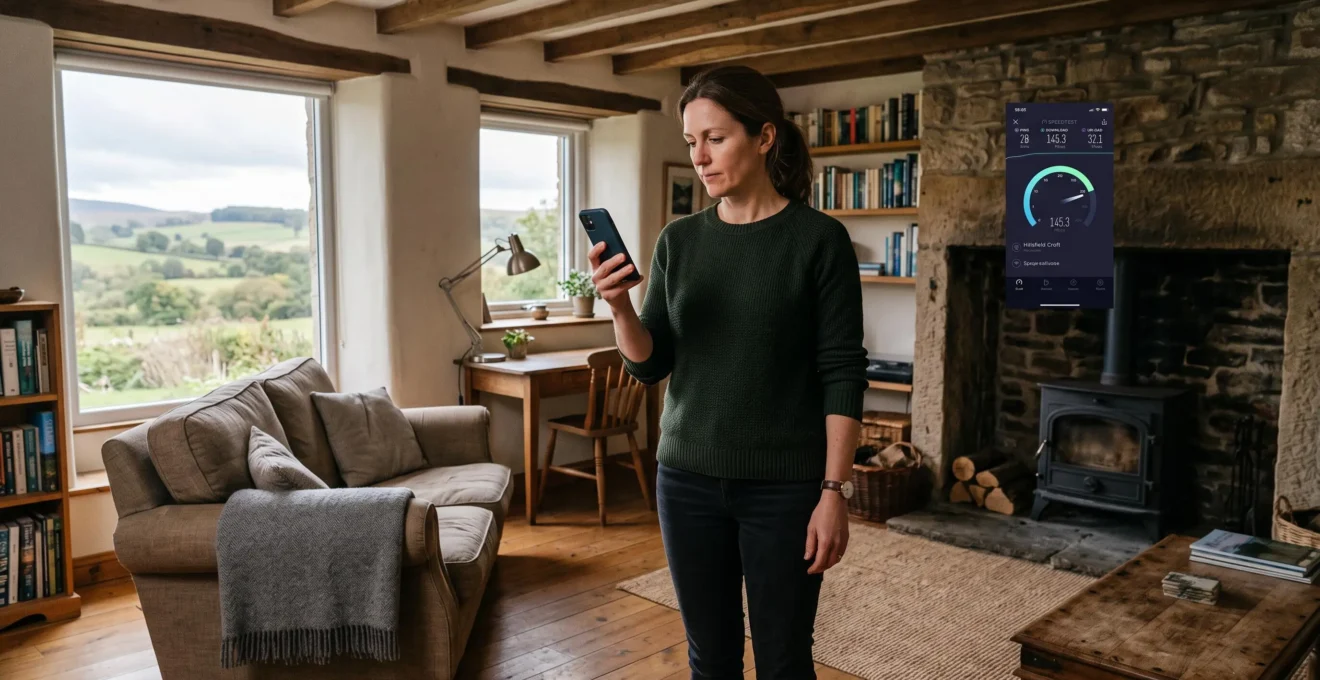
A holiday rental that consistently attracted excellent reviews five years ago may no longer meet the expectations of the same type of traveller. Reliable internet, comfortable sleeping arrangements, straightforward check-in and practical working space can influence how guests assess a property, even when its location and character remain unchanged.
For experienced hosts, adapting does not mean installing every fashionable amenity or renovating whenever competitors update their photographs. The more effective approach is to identify which expectations are changing, distinguish genuine service weaknesses from isolated preferences, and invest where improvements have a credible operational or commercial benefit.
This requires examining guest feedback over time, testing the accommodation as guests use it, assessing local competition and maintaining consistent standards between bookings. Importantly, not every emerging preference deserves investment. A family-focused coastal cottage, a rural retreat and an apartment attracting extended business stays may need very different upgrades.
The objective is to protect the property’s core appeal while making evidence-led improvements that guests can actually experience.
Adapting your holiday rental: the essentials
- Track recurring feedback across different seasons to separate genuine changes in guest expectations from individual preferences.
- Prioritise reliable connectivity, sleeping comfort, cleanliness and accurate property information before investing in fashionable extras.
- Evaluate upgrades against guest satisfaction, booking demand, operating costs and long-term property usefulness, then standardise the improvements that work.
- Why Do Holiday Guests Complain About Weak Wi-Fi Even in Scenic Rural Retreats?
- How Can You Spot New Guest Needs by Comparing Reviews Across Three Seasons?
- Smart Home Features or Better Bedding: Which Upgrade Matters More to Holiday Guests?
- The Trend-Chasing Renovation Mistake That Can Waste a Holiday Rental Budget
- When Should You Refresh a Holiday Rental Listing to Reflect New Traveller Needs?
- When Should Repeated Guest Complaints Trigger a Property Standards Review?
- Dedicated Workspace or Extra Guest Room: Which Appeals More to Remote-Working Buyers?
- How Can Holiday Rental Owners Maintain the Same Guest Experience Every Time?
Why Do Holiday Guests Complain About Weak Wi-Fi Even in Scenic Rural Retreats?
Holiday guests complain about weak Wi-Fi in rural retreats because attractive surroundings do not necessarily replace the connectivity they rely on for work, entertainment and communication. A property’s scenic location may be its main attraction, but guests who expect usable internet still judge the connection by whether it supports their planned activities. Problems become especially frustrating when the listing promises reliable access.
Owners sometimes evaluate connectivity through the lens of the property’s original appeal. Someone who purchased a secluded cottage for its tranquillity may see limited internet access as a reasonable compromise. Guests, however, may arrive expecting the convenience they routinely enjoy at home unless the listing clearly explains the limitations.
According to Airbnb‘s 2025 guest amenity search findings, Wi-Fi ranked third among the platform’s most frequently searched amenities worldwide. This ranking reflects search activity on Airbnb rather than confirmed booking decisions or preferences specific to English-speaking markets.
Importantly, a complaint about internet speed may describe a broader disappointment. Consider the difference between these hypothetical review comments:
- Infrastructure problem: “The connection kept dropping in the upstairs bedroom.”
- Expectation mismatch: “We couldn’t attend our planned video meetings despite the advertised fast Wi-Fi.”
- Uncommunicated limitation: “We didn’t realise mobile reception was poor and the internet was unreliable.”
Each situation suggests a different response: improving coverage, verifying advertised performance or explaining existing limitations more accurately.
A useful diagnostic combines connection speed, reliability and coverage. Test the network where guests actually use it: at the dining table, in bedrooms, near the television and at any advertised workspace. Repeat tests during different periods, including busy evening hours when devices may be operating simultaneously.
Airbnb’s technical guidance classifies tested speeds of 50 Mbps or more as fast Wi-Fi on its platform. This is a platform-specific classification, not a guarantee that every device or activity will perform reliably.
Owners should record the location, time and measured result of each test, then compare the findings with the listing’s claims. A high download speed beside the router does not establish adequate coverage throughout the accommodation.
Connectivity can also influence which bookings are realistically suitable for a rural property. For example, dependable internet may make weekday remote-working stays more feasible outside the main holiday season. Whether this translates into additional demand must be checked against actual enquiries and booking patterns.
A rural location can remain a distinctive selling point without presenting connectivity limitations as part of the charm. The next challenge is identifying which other guest expectations are changing before dissatisfaction becomes a recurring pattern.
How Can You Spot New Guest Needs by Comparing Reviews Across Three Seasons?
Holiday rental owners can identify emerging guest needs by comparing review themes across at least three distinct seasonal periods. Categorise comments about comfort, cleanliness, connectivity, equipment and sleep quality, then examine which issues recur, disappear or emerge in particular seasons. Repeated, specific complaints that materially affect a stay deserve more attention than isolated preferences.
A chronological list of reviews can obscure useful patterns. Feedback from summer family holidays may emphasise outdoor equipment and ventilation, while winter comments may expose heating problems or inadequate lighting. Reviewing separate seasonal periods helps reveal differences that an overall rating cannot explain.
Start by collecting public reviews, available private feedback and direct guest messages from three comparable seasonal periods. Keep the number of stays alongside the number of comments so a busy summer does not automatically outweigh a quieter winter.
A straightforward review matrix is often sufficient. Record the season, guest type where known, issue category, precise wording, reported consequence and whether the problem was independently verified.
For example, two complaints about cold bedrooms from separate winter stays are more informative than two comments from the same booking. A guest saying “the heating did not reach the bedroom” also provides more actionable evidence than a vague description such as “not cosy enough”.
Compare the proportion of relevant stays mentioning each problem rather than relying solely on complaint counts. There is no universally validated percentage at which every rental should renovate. Owners can instead establish their own investigation threshold, considering repetition, severity and the cost of checking the underlying issue.
Reviews from nearby competing properties provide another useful source of market intelligence. If several comparable cottages receive criticism for inadequate workspaces, this may indicate an unmet local need. It does not, by itself, prove that adding a desk will increase your occupancy.
Airbnb’s recommendations for review analysis similarly emphasise identifying recurring themes and understanding their underlying causes rather than responding indiscriminately to individual suggestions.
Build a five-step seasonal feedback audit
- Export or manually compile reviews from three seasonal periods. Deliverable: a dated review register with booking counts.
- Tag comments using consistent categories. Deliverable: a feedback matrix showing each theme by season.
- Flag repeated problems and record their effects on the guest experience. Deliverable: a prioritised issue log.
- Check comparable local listings for overlapping complaint themes. Deliverable: a short competitor observation sheet.
- Assign each priority issue an investigation, estimated cost and review date. Deliverable: an actionable improvement register.
The strongest signals are not necessarily the loudest complaints. Once an issue has been identified, the more difficult decision is choosing an upgrade that addresses its cause rather than purchasing something merely attractive or fashionable.
Smart Home Features or Better Bedding: Which Upgrade Matters More to Holiday Guests?
Better bedding generally deserves priority over smart-home technology when a holiday rental still has unresolved sleep-comfort problems. Mattresses, pillows and appropriate bedding contribute to a fundamental part of every overnight stay, whereas smart devices usually provide convenience or operational benefits. Once essential comforts meet expectations, selected technology may become worthwhile if it solves a demonstrated problem.
The distinction is between reducing dissatisfaction and adding differentiation. Replacing an uncomfortable mattress addresses a weakness that may affect consecutive bookings. Installing a voice-controlled speaker introduces functionality, but not every guest will use or value it.
This does not mean every premium mattress purchase has a proven financial return, nor that smart technology lacks value. The appropriate investment depends on the property’s current condition, guest feedback and operating arrangements.
A useful hierarchy places basic comfort first: supportive sleeping arrangements, practical pillows, suitable window coverings, reliable heating and hot water, and adequate water pressure. Next come convenience improvements such as clear self-check-in instructions and useful storage. Technology should follow where it has a specific purpose.
Smart devices also introduce operational dependencies. Connected locks require functioning batteries, correctly managed access permissions and a practical alternative if the system fails. Voice assistants may confuse guests or raise privacy questions. Connected thermostats can reduce the need for on-site intervention but still require clear instructions and reliable configuration.
For an owner managing several properties remotely, a dependable smart lock with a documented emergency access procedure may offer substantial practical value. For a personally managed cottage with recurring mattress complaints, bedding is likely the more immediate concern.
Before approving either investment, ask three questions:
- Will the upgrade eliminate an identifiable source of complaints?
- Will it create a benefit that potential guests can recognise before booking?
- Will it reduce recurring work, service calls or operational complexity?
An improvement that satisfies none of these tests should normally be deferred until stronger evidence emerges. The objective is not to maximise the number of amenities but to increase the usefulness and reliability of those provided.
Once those priorities are clear, larger renovation decisions can be assessed with the same discipline. Otherwise, owners risk replacing functional interiors with expensive trends that do little to improve the actual stay.
The Trend-Chasing Renovation Mistake That Can Waste a Holiday Rental Budget
The most expensive renovation mistake is copying a popular design trend without establishing whether it matters to the property’s actual guests. A fashionable feature may improve listing photographs while adding cleaning costs, maintenance obligations or little practical value. Renovation decisions should therefore be based on verified guest needs, durability, operational consequences and the owner’s longer-term objectives.
Social media and competing listings can make visual novelty appear synonymous with commercial success. However, an attractive interior featured in a high-performing rental does not establish that its design choices caused the property’s bookings.
A striking freestanding bath, elaborate feature wall or highly specialised entertainment room might suit one guest profile but be inconvenient for another. Families may place greater value on washable surfaces and usable storage, while extended-stay guests may prioritise comfortable seating, cooking equipment and practical lighting.
Before committing to a substantial project, compare appearance-led renovations with improvements designed for everyday use.
| Decision criterion | Trend-driven renovation | Durability-driven renovation |
|---|---|---|
| Guest benefit | Potential visual differentiation | Functional improvement during the stay |
| Maintenance | May require specialist materials or repairs | Can favour easily replaceable, robust components |
| Cleaning | Decorative details may increase turnover work | Practical surfaces can simplify preparation |
| Longevity | Appeal may depend on changing tastes | Usefulness can extend beyond design trends |
| Evidence required | Guest segment interest and booking appeal | Existing complaints and functional shortcomings |
Property resale is another consideration. Highly personalised interiors may appeal to a narrow audience, especially if a future purchaser intends to use the home differently. Rental-specific decorative improvements should not automatically be treated as additions to the property’s resale value.
A sensible budgeting approach is to protect funding for essential repairs and regularly used furnishings before allocating discretionary money to visual upgrades. Owners can set an internal limit for trend-led spending, but no universal allocation percentage is appropriate for every property.
Phasing projects also makes results easier to evaluate. Repair the recurring comfort problems first, observe subsequent reviews and booking enquiries, then decide whether further improvements are justified.
When assessing results, account for seasonality, pricing changes and demand fluctuations. Better reviews after a renovation are encouraging, but they do not automatically establish which individual improvement caused the change.
The same principle applies to marketing. Once a worthwhile improvement is complete, guests need accurate information about it, but that does not justify constantly rewriting the entire property listing.
When Should You Refresh a Holiday Rental Listing to Reflect New Traveller Needs?
Holiday rental owners should refresh their listing when the property changes materially, guest enquiries reveal new priorities, or the current description no longer represents the accommodation accurately. Updated amenities, photographs and practical details can help guests make informed decisions. A deliberate, evidence-led refresh is more useful than frequent cosmetic wording changes without a clear purpose.
Listing descriptions age gradually. A cottage advertised primarily for its traditional fireplace may now also offer a reliable workspace, improved internet coverage or convenient self-check-in. If these features remain absent from the listing, prospective guests may overlook benefits that are already available.
Review recent pre-booking questions and compare them with the information displayed publicly. Repeated enquiries about internet reliability, parking, accessibility or check-in arrangements often reveal details that need clearer presentation.
It is also worth examining the amenity filters available on the platforms where the property is advertised. A feature mentioned in a paragraph may still need to be selected in the platform’s dedicated amenities section, where supported.
Photographs require a separate assessment. Replace images when furniture, layouts or important facilities visibly change. Seasonal photography may also be useful when the landscape or available outdoor facilities differ significantly between summer and winter.
An outdated photograph can create an expectation gap even when the replacement furniture is objectively better. Guests judge what they receive partly against what they were shown before booking.
According to Airbnb’s recommendations for using guest reviews, hosts should check that photographs, descriptions and advertised amenities accurately represent the accommodation. The guidance also encourages owners to act on recurring feedback.
A practical refresh process combines several changes into one controlled update: verify the amenity inventory, revise inaccurate claims, replace obsolete photographs and confirm that guest instructions remain consistent with the listing.
There is no basis for assuming that every minor text edit automatically resets a platform’s ranking momentum. Search visibility depends on platform-specific systems, and their effects cannot be inferred from a simple editing schedule. Batching non-urgent changes is nevertheless sensible because it reduces inconsistency and makes the impact of updates easier to assess.
Essential corrections, particularly those affecting safety or materially misleading information, should be made immediately rather than delayed for a scheduled refresh.
Accurate marketing reduces avoidable misunderstandings, but it cannot compensate for shortcomings in the property itself. When the same problems continue appearing in feedback, a more systematic standards review is needed.
When Should Repeated Guest Complaints Trigger a Property Standards Review?
Repeated complaints should trigger a property standards review when independent guests report the same problem, an issue persists across different seasons, or feedback identifies a failure in essential comfort, cleanliness, safety or functionality. Serious defects may require immediate investigation after a single report. The purpose of the review is to identify root causes rather than repeatedly treating symptoms.
Not all negative comments justify a full property audit. A guest preferring firmer pillows may simply express a personal preference. Several independent guests reporting disrupted sleep because of a sagging mattress point to a potentially persistent defect.
Severity matters as much as frequency. A suspected electrical hazard, unsafe access arrangement or significant heating failure should not wait until multiple reviews confirm the issue.
For recurring non-urgent problems, examine whether complaints cross different booking groups and conditions. A cold living room reported by several winter guests may indicate inadequate heating capacity, poor insulation, draughts or an equipment fault. Providing an additional blanket might ease discomfort without correcting the underlying problem.
The review should follow the complete guest journey rather than focusing exclusively on whichever room received the latest complaint.
- Before arrival: listing accuracy, instructions, access information and essential communication.
- Check-in: entry arrangements, cleanliness, temperature, lighting and readiness.
- During the stay: sleeping comfort, equipment functionality, connectivity, hot water and supplies.
- Departure: checkout clarity, waste disposal instructions and any reported defects.
- Between bookings: maintenance records, cleaning checks and confirmation that previous faults were resolved.
Document each finding with its probable cause, required action, responsible person and verification method. A repair should be considered complete only after the relevant function has been checked, not merely after a contractor visit has been recorded.
Repeated unresolved problems can also affect reputation. Prospective guests may recognise recurring negative themes in public reviews, while review-related signals may influence visibility under platform-specific ranking systems. No universal financial penalty or ranking reduction can be assumed.
Where reviews identify a recurring issue, addressing it promptly also creates an opportunity to improve operational procedures rather than repeatedly responding to complaints after departure.
Once baseline standards are secure, owners can return to strategic questions about how rooms should be used and which guest segments the property is best positioned to serve.
Dedicated Workspace or Extra Guest Room: Which Appeals More to Remote-Working Buyers?
A dedicated workspace may appeal more to buyers prioritising remote work or owners targeting longer, off-season stays, while an additional bedroom may offer greater value where demand depends on larger groups and peak-season occupancy. Neither configuration is universally superior. The right choice depends on the property’s intended use, local booking patterns and whether the room can serve multiple purposes.
First, distinguish two audiences. A holiday guest who occasionally answers emails may need only a comfortable desk and reliable internet. A prospective property buyer who works from home regularly may place greater importance on a quiet, permanent office with natural light, sufficient sockets and dependable connectivity.
These preferences should not be treated as interchangeable. A configuration that improves a property’s appeal as a future residence may not maximise its short-term rental income.
For owners considering accommodation demand, compare the likely use of each layout over the full year.
| Criterion | Dedicated workspace | Extra guest room |
|---|---|---|
| Primary audience | Remote-working guests and extended stays | Families and larger travelling groups |
| Potential seasonal benefit | May support weekday and off-season demand | May support larger peak-season bookings |
| Practical requirements | Suitable desk, seating, lighting and internet | Appropriate sleeping space and guest facilities |
| Operational implications | Equipment maintenance and workspace usability | Additional bedding, cleaning and potentially greater occupancy-related wear |
| Main limitation | May be underused by leisure-only guests | Additional beds have limited value if larger groups rarely book |
Before changing the layout, check occupancy limits, applicable accommodation requirements and the physical suitability of the proposed sleeping space. An additional bed does not automatically mean the property can lawfully or comfortably accommodate more guests.
A flexible arrangement may avoid the choice altogether. A thoughtfully positioned desk, discreet equipment storage and suitable convertible furniture can allow a room to function differently between bookings. For video calls, lighting, acoustics and the background visible behind the desk may matter more than decorative office accessories.
Demand should be validated rather than assumed. Examine how frequently prospective guests ask about work facilities, whether weekday occupancy differs from weekend bookings, and whether comparable local rentals advertise dedicated workspaces.
Airbnb identifies dependable Wi-Fi, ergonomic support and appropriate lighting among useful features for guests working remotely. That guidance does not establish whether adding an office produces a better financial return than adding a bedroom.
A practical decision therefore requires estimating the costs and potential benefits of each configuration, then testing those assumptions against the property’s actual market.
Whatever layout is chosen, delivering its promised benefits reliably matters more than advertising the feature alone. This is where documented operating standards become essential.
Key takeaways before implementing changes
- Turn every approved upgrade into a clear operating standard, including how its condition and functionality will be checked.
- Make responsibilities explicit before delegating cleaning, maintenance, check-in preparation or guest communication.
- Evaluate improvements over multiple stays so that early feedback informs future investment without triggering unnecessary changes.
How Can Holiday Rental Owners Maintain the Same Guest Experience Every Time?
Holiday rental owners maintain a consistent guest experience by turning preparation and service standards into repeatable procedures. Cleaning checklists, documented room setups, inventory controls and clear equipment instructions help every stay meet the same baseline expectations. Consistency becomes especially important when cleaners, co-hosts or property managers take over tasks previously handled personally by the owner.
Hospitality is often associated with individual attentiveness, but repeatable quality depends heavily on systems. A welcoming arrival is easier to reproduce when everyone responsible for preparing the property understands exactly what a completed turnover should look like.
A useful operating system has three essential components: a standard preparation routine, measurable supply levels and clear responsibility for verification.
First, create a room-by-room departure and turnover checklist. Include cleaning, fresh linen, working lights, heating or cooling settings, functioning equipment and the agreed placement of essential items. Where appropriate and consistent with privacy requirements, timestamped photographs can help verify that rooms are ready before arrival.
Second, maintain a consumables inventory. Record the expected quantity of toilet paper, soap, cleaning supplies and other essentials, along with a practical restocking threshold based on occupancy and replenishment arrangements. The aim is to prevent supplies from varying unpredictably between stays.
Third, document how the property should be operated. Instructions for heating systems, appliances, access arrangements and internet equipment should be understandable to someone unfamiliar with the accommodation.
In Airbnb’s accommodation preparation recommendations, the platform advises hosts to follow the same routine before each check-in, maintain essential supplies and provide instructions for property equipment. This is operational guidance rather than a quantified guarantee of improved ratings.
The greatest consistency risk often appears when management is delegated. An owner may know instinctively where spare blankets belong, how the thermostat behaves or which kitchen items frequently need replacing. Unless that knowledge is written down, a replacement cleaner or co-host may reproduce only part of the usual setup.
Consistency therefore requires periodic checks of the process itself. Review whether instructions remain current, whether photographs reflect the intended setup and whether recurring guest issues reveal missing checklist items.
Reliable delivery also protects the property’s reputation. Guests may appreciate impressive features, but inconsistent cleanliness, access or equipment functionality can undermine the entire experience. Predictable standards provide a stronger foundation for satisfaction and potential repeat visits, although the precise commercial effect will differ by property.
The most useful next step is to select one recurring guest issue, verify its cause, implement a proportionate improvement and document how the new standard will be maintained. Review the results after subsequent stays before committing to the next investment.
How often should holiday rental owners reassess guest expectations?
Review feedback after every stay and conduct a broader comparison when enough observations are available to identify meaningful patterns. Seasonal analysis is particularly useful for properties with distinct peak and off-peak demand. Urgent safety, cleanliness or functionality problems should be investigated immediately rather than waiting for the next scheduled review.
How can owners identify changing expectations when their property receives very few reviews?
Combine available reviews with pre-booking enquiries, direct guest messages, maintenance records and observations from comparable local rentals. Where appropriate, request specific private feedback after stays. A small dataset cannot establish broad trends confidently, so prioritise verifiable defects and inexpensive improvements before making major investments.
Should holiday rental owners follow international travel trends or focus on local demand?
International trends are useful for identifying possible changes in traveller behaviour, but local evidence should guide property-level investment. A feature frequently searched on a global platform may not be decisive for a specific rural cottage, coastal apartment or city rental. Compare broad trends with the property’s own booking profile, seasonality and competitor feedback.
How can a host tell whether an upgrade was financially worthwhile?
Record the complete implementation and maintenance costs, then examine relevant changes in guest feedback, operational workload, booking enquiries and financial performance. Compare equivalent seasonal periods where possible and consider other influences such as pricing or local demand. An improvement can be worthwhile because it reduces complaints or staff time even when a direct increase in revenue cannot be demonstrated.
Is it better to advertise fewer amenities than risk disappointing guests?
Owners should advertise the amenities genuinely available and describe material limitations accurately. Understating useful features can reduce visibility to suitable guests, while overstating performance creates avoidable disappointment. The objective is neither to minimise nor exaggerate the offer, but to ensure that descriptions, photographs and stated amenities match what guests can reasonably expect during their stay.