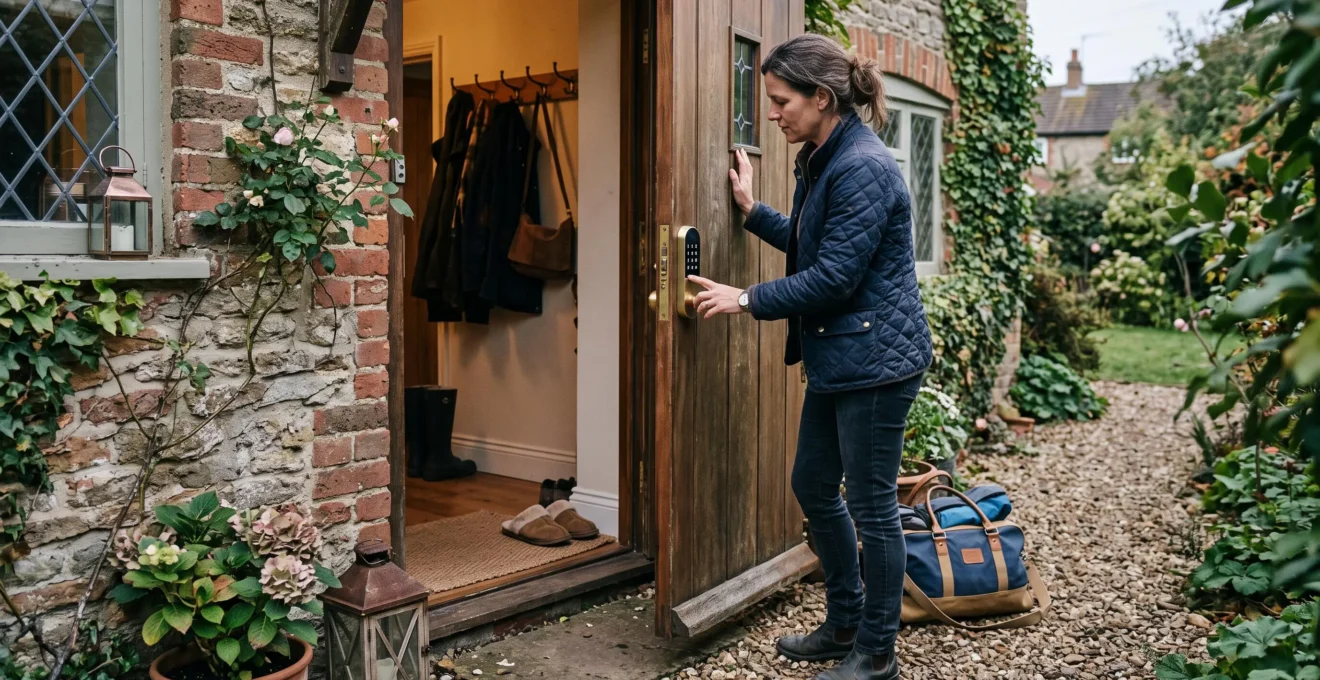
A personal holiday base makes frequent travel easier by giving you somewhere familiar, equipped and available whenever you want to return. Instead of arranging accommodation for every weekend away, you can concentrate on getting there and enjoying the time you have.
That convenience comes with a trade-off. A second home introduces ongoing expenses, maintenance obligations and a natural temptation to revisit the same destination rather than discover somewhere new. The property can provide freedom on individual weekends while gradually narrowing your wider travel habits.
The most effective approach is to choose a base that suits your actual journey patterns, prepare it for easy arrivals and deliberately protect time for other destinations. Whether you are considering a city apartment, a country cottage or a modest home near family, the right decision depends less on the property’s appeal than on how comfortably it fits into everyday life.
A personal holiday base: the essentials
- A permanently equipped home removes repeated accommodation searches, check-ins and much of the packing involved in regular trips.
- Accessibility, maintenance and ongoing costs matter more than appearance when choosing a property you will use frequently.
- Reserve holiday time for new destinations and arrange appropriate property care during absences to preserve flexibility.
- Why Does Having Your Own Place Make Repeated Weekend Trips Less Complicated?
- How Can You Equip a Weekend Base Without Repacking Every Time You Travel?
- City Apartment or Country Cottage: Which Works Better as a Regular Travel Base?
- Why Returning to One Holiday Base Can Quietly Restrict Your Travel Plans
- Five Small Changes That Make a Weekend Home Ready for Unplanned Arrivals
- How Can You Divide Six Weeks of Holiday Between Your Own Home and New Places?
- When Should an Empty Holiday Home Be Inspected During a Six-Month Absence?
- What Changes When You Own a Second Property Alongside Your Main Residence?
Why Does Having Your Own Place Make Repeated Weekend Trips Less Complicated?
Having your own holiday property simplifies repeated weekend trips because accommodation is already available, familiar and prepared for your arrival. You no longer need to compare rentals, confirm availability or adapt to a different home every time. The main benefit is less recurring preparation, particularly when you visit the same destination often.
Every trip arranged through a hotel or holiday rental involves a sequence of small decisions. You search for suitable dates, compare prices and locations, review conditions, confirm reservations and coordinate arrival instructions. Once there, you still need to locate essential items, understand the heating or appliances and settle into an unfamiliar space.
A personal base removes much of this repeated work. You already know the neighbourhood, the nearest grocery shop and the route from the station. Your belongings are where you left them, and you know what to expect when you open the door.
There is also a distinction between reducing logistics and reducing mental effort. Even when travel time remains unchanged, a familiar destination requires fewer decisions. This can make an ordinary weekend away feel more manageable after a demanding working week.
Spontaneity improves, too. If the weather looks promising or friends are visiting nearby, you can travel without checking hotel availability or meeting a rental’s minimum-stay requirement. That independence can be particularly valuable during busy holiday periods, although the property’s condition and any building access restrictions still matter.
However, ownership does not make a distant destination close. A long flight, complicated connection or substantial drive can still outweigh the convenience of an established base during a short stay. The benefit is strongest when trips are frequent, predictable and practical within your available time.
Once the accommodation decisions disappear, the next opportunity is to eliminate unnecessary packing and make every arrival feel equally straightforward.
How Can You Equip a Weekend Base Without Repacking Every Time You Travel?
You can avoid repacking for every weekend by keeping a carefully chosen set of everyday essentials permanently at your holiday base. Combine these duplicates with a dedicated travel bag and a short list of belongings that must come with you. The aim is to make preparation nearly automatic without filling the second home with unnecessary possessions.
Start by observing what you repeatedly pack and unpack during your first few visits. Chargers, toiletries, sleepwear, comfortable shoes, spare work clothes and basic kitchen supplies are common candidates for duplication. Items used only occasionally can remain at your main residence.
A practical three-tier packing system separates belongings according to where they should live:
- Permanent base essentials: Bedding, towels, toiletries, chargers, cleaning products, suitable clothing and basic kitchen equipment.
- Dedicated travel bag: Reusable travel accessories, packing organisers and other items that can remain together between trips.
- Trip-specific belongings: Medication, identification, current electronics, weather-dependent clothing and anything required for a particular activity.
This approach also creates a useful rule: if an ordinary item travels back and forth repeatedly, consider whether leaving a second one at the destination would genuinely improve your routine.
Food requires more care. Sealed, shelf-stable ingredients such as rice, dried pasta and unopened coffee can be useful, provided storage conditions and expiry dates are appropriate. Refrigerated perishables should not be left through long absences, and items exposed to pests, moisture or unsuitable temperatures must be discarded.
Keep a short arrival list for fresh food, heating, ventilation and other immediate needs. If you regularly arrive after shops close, maintain a suitable emergency supply of non-perishable food and drinking water.
Avoid equipping the property as though it were another full-time household. Unused gadgets, spare furniture and excessive duplicate clothing create clutter and additional maintenance. Begin with a minimum viable setup, then add only what repeated visits demonstrate you actually need.
With packing under control, the property’s location and type become the next major determinants of whether you will enjoy using it regularly.
City Apartment or Country Cottage: Which Works Better as a Regular Travel Base?
A city apartment usually works better for frequent short breaks when transport connections, convenience and year-round access are priorities. A country cottage may suit longer, quieter stays focused on nature and relaxation. Neither option is automatically superior: the better holiday base is the one you can reach easily, maintain reliably and use in the way you actually prefer.
Start with accessibility rather than atmosphere. Consider the full journey from your main residence, including transfers, parking, airport connections and the final stretch to the door. A property that looks appealing during a summer viewing may be considerably less convenient during winter or outside the tourist season.
The following comparison highlights common practical differences, although actual costs and conditions depend on the location and building.
| Decision factor | City apartment | Country cottage |
|---|---|---|
| Transport access | Often close to rail stations, airports and public transport | May require a car and longer final journeys |
| Typical trip pattern | Short weekends, restaurants, cultural activities and social visits | Longer stays, walking, outdoor activities and rest |
| Purchase and running costs | Can involve higher acquisition costs and shared building charges | May offer a lower purchase price but greater individual upkeep costs |
| Property maintenance | Some exterior work may be managed collectively | Gardens, roofs, drainage and heating may require direct attention |
| Security and absence | Shared access arrangements may offer practical oversight | Remote properties may need more dedicated local supervision |
| Rental potential | Urban demand may be more varied | Demand may depend heavily on season and destination |
An urban base can make a two-night stay worthwhile because activities and services are nearby. A rural property may be more rewarding when you have time to slow down, but a weekend dominated by driving, gardening and preparation can undermine the intended escape.
Purchase price alone is an incomplete comparison. Apartment service charges may cover some shared maintenance, while additional assessments can still arise. A cottage owner may face separate costs for grounds, roofing, drainage, winter heating and repairs. Property condition, local climate and ownership arrangements can reverse any assumed cost advantage.
There are useful alternatives between these extremes. A modest pied-à-terre near a reliable transport connection may offer more everyday value than a larger, picturesque property farther away. A small base near family can also combine repeat visits with access to surrounding destinations.
Before committing, test the journey under realistic conditions and consider how many of your intended visits will be short. Usability across the year matters more than the impression created by one ideal weekend.
The more frequently you use a convenient base, however, the more important it becomes to ensure that familiarity does not replace every other travel opportunity.
Why Returning to One Holiday Base Can Quietly Restrict Your Travel Plans
A personal holiday base can restrict your travel plans when the money, time and attention invested in it make other destinations feel less worthwhile. Although owning the property creates freedom to visit whenever you choose, it can also encourage you to return automatically. The result is greater flexibility for familiar trips but potentially less variety across your holidays.
This tendency is partly explained by the sunk-cost effect. Once you are paying for a second home, booking a hotel elsewhere may seem wasteful, even though the property’s standing costs would continue regardless of where you spend that particular weekend.
Imagine a hypothetical owner who originally enjoyed exploring several destinations each year. After buying a cottage, they begin choosing it for most long weekends because the accommodation is already paid for. Gradually, unfamiliar places become special exceptions rather than regular possibilities.
The property can also become a maintenance anchor. Seasonal work, deliveries, repairs and inspections start influencing travel dates. Instead of choosing a destination purely for enjoyment, the owner may visit because the garden needs attention or a contractor is available.
The solution is not necessarily to travel less to the base. It is to distinguish visits made for pleasure from trips driven by property obligations and give both a deliberate place in the calendar.
Set an annual allocation for holidays elsewhere before the year becomes crowded. Protect a portion of your travel budget for unfamiliar destinations, and make decisions about those trips independently of the money already committed to the second home.
It also helps to reassess the property’s role regularly. Does it remain a convenient retreat, or have you begun treating it as the only sensible choice? Could some maintenance work be delegated? Are there nearby places you have yet to explore?
The flexibility paradox is important before purchase: a holiday base can make repeat travel easier while reducing the motivation or resources available for novelty. Recognising that tension early allows you to choose the balance intentionally.
A property remains most rewarding when returning is a genuine preference, not an obligation created by ownership.
Five Small Changes That Make a Weekend Home Ready for Unplanned Arrivals
A weekend home becomes ready for spontaneous arrivals when you prepare it before leaving rather than immediately before returning. A consistent shutdown routine, reliable access, local assistance and permanently stocked essentials remove common obstacles to last-minute trips. The goal is a property that is safe, comfortable and easy to reopen without extensive planning.
Begin with a simple departure routine. Remove food that may spoil, deal with laundry and bedding, clean surfaces that could attract pests and check windows and doors. Heating, water and ventilation should be managed according to the property’s systems, climate and insurance requirements.
Next, simplify access. A properly installed keyless or coded lock may remove the need to collect keys, provided it is suitable for the door and building rules. Keep a secure backup arrangement with a trusted local contact. Avoid exposing access codes unnecessarily, and change shared codes when appropriate.
Local support is equally useful. A neighbour, cleaner or caretaker can check for obvious problems, arrange authorised access for repairs and report anything requiring attention. Agree on the scope of each visit rather than assuming that an informal arrangement provides comprehensive property supervision.
Water systems deserve particular consideration during extended non-use. The CDC recommendations for Legionella control in vacation properties explain that irregular occupancy can reduce water circulation and disinfectant levels. The CDC advises flushing unused taps and showers shortly before arrival when fixtures have gone unused for a week or more. Appropriate procedures depend on the plumbing system, especially if it has been drained or winterised.
Finally, keep fresh linens, basic toiletries, shelf-stable food and a printed list of emergency contacts available. These small preparations help prevent a late arrival from turning into an unexpected shopping trip.
Five actions for an arrival-ready holiday home
- Write a departure checklist: Produce a one-page list covering food, cleaning, windows, security and the correct settings for heating and water.
- Test the access arrangement: Confirm that the lock and backup key work, and record the authorised local keyholder’s contact details.
- Prepare a permanent essentials shelf: Make an inventory of clean bedding, toiletries, suitable food supplies and necessary everyday items.
- Agree on local property checks: Give a trusted person a written inspection brief, contact instructions and a clear process for reporting problems.
- Create an arrival checklist: Record what must be checked when reopening the property, including water-system precautions, utilities and supplies.
Once the practical arrangements are dependable, you can decide how often to return without letting the property consume your entire annual holiday allowance.
How Can You Divide Six Weeks of Holiday Between Your Own Home and New Places?
If you have six weeks of annual holiday, divide them by reserving time for both your personal base and destinations you have not visited before. There is no universally correct proportion. A useful allocation reflects your preferred trip lengths, transport demands, available budget and appetite for novelty rather than allowing the second home to absorb every available break.
Begin by calculating the actual number of days you can spend away. Include your employment leave allowance, relevant public holidays and weekends only where they are genuinely available for travel. Six weeks is a planning scenario, not a target everyone needs to follow.
For example, a hypothetical traveller with six weeks of available holiday time might initially allocate three weeks to the regular base, two weeks to new destinations and one week to family visits or uncommitted plans. This is simply one possible starting arrangement, not a recommended universal split.
The next step is to consider trip length rather than totals alone. Several weekends at a nearby base may use little or no annual leave, while a distant overseas journey may require a continuous block of time. A calendar showing both total days away and working days taken off gives a more useful picture.
Your base can also support exploration beyond its immediate surroundings. A city apartment might provide convenient rail connections to neighbouring towns. A cottage could become the starting point for walking routes, regional excursions or occasional overnight trips farther afield.
This approach combines the convenience of familiar accommodation with new experiences. Nevertheless, it is worth distinguishing genuine exploration from repeatedly visiting the same nearby attractions out of habit.
Keep a separate travel budget for destinations outside the base. Without that allocation, property-related expenses may gradually displace other plans before you have consciously decided to change your travel priorities.
At the end of each year, compare your original calendar with your actual journeys. Record time spent at the property, time spent discovering new destinations and visits made mainly for maintenance. If the outcome differs from your intentions, adjust the following year’s allocation.
The arrangement should evolve with your circumstances, particularly when work commitments, family needs or the property’s condition change.
When Should an Empty Holiday Home Be Inspected During a Six-Month Absence?
An empty holiday home should be inspected during a six-month absence according to its insurance conditions, local climate, building characteristics and exposure to damage. There is no inspection frequency suitable for every property. Start by reviewing the insurance policy, then arrange checks at intervals and risk periods that meet its requirements and address the home’s particular vulnerabilities.
Insurance requirements are the first consideration because a property may be treated differently once it remains unoccupied beyond a specified period. The Association of British Insurers‘ home insurance information identifies 30 or 60 days as examples of prolonged unoccupancy thresholds found in policies.
Those figures are not universal deadlines or inspection schedules. The applicable contract determines which restrictions, precautions and notification requirements matter. Owners should obtain confirmation from their insurer before a prolonged absence, particularly if the property is overseas or has a specialised holiday-home policy.
A useful inspection must be more than a brief visit to confirm that the building is still standing. Depending on the property and the visitor’s competence, checks can cover:
- Roof, windows, doors and visible signs of storm damage or water intrusion.
- Moisture, condensation, mould and unusual odours.
- Signs of pests, forced entry or compromised security.
- Accessible plumbing, leaks and the condition of relevant heating equipment.
- External drainage, vegetation and conditions that could threaten the building.
Plumbing checks need appropriate care. For systems left operational, an authorised person may inspect accessible connections and use fixtures according to the property’s water-management procedure. A drained or winterised system should not simply be turned on without following the correct reopening process.
Plan the six-month absence season by season. A winter closure in a cold region may make frozen pipes and heating failure primary concerns. A humid summer may require greater attention to ventilation and mould. Storm-prone locations may justify additional checks around severe weather, without replacing any regular inspections required by the insurer.
Owners can perform visits themselves, appoint a trusted local person or use a professional property-check service. Self-visits involve travel costs; informal arrangements depend on availability and competence; professional services introduce fees but may offer documented inspections and clearer responsibilities.
Short-term letting between personal visits is another possibility, but it introduces guest management, wear, local legal requirements and potentially different insurance conditions. Occupancy should not be assumed to substitute for an agreed inspection programme.
Keep dated inspection records, note any problems and retain relevant photographs or repair confirmations. These records make it easier to follow up on developing issues, although they do not guarantee an insurance claim will be accepted.
A dependable inspection arrangement protects the practical value of your base, but it also illustrates why a second property requires ongoing administration even when you are not travelling.
Key considerations before taking on a second property
- Assess the total annual commitment, including property expenses that continue while the home is unused.
- Confirm local ownership, insurance and tax obligations rather than assuming the rules for your main residence apply.
- Decide who will handle bills, inspections and emergencies when you are travelling elsewhere.
What Changes When You Own a Second Property Alongside Your Main Residence?
Owning a second property means managing two homes, each with its own financial, administrative and maintenance obligations. Alongside the purchase or mortgage costs, you may face additional property taxes, insurance requirements, utility charges and eventual sale-related taxes. The exact consequences depend on where the property is located, your residence status and how the second home is used.
The most important financial shift is that ongoing costs continue even when the property is empty. Insurance, certain utilities, local charges, maintenance and property management do not disappear because you spend a particular month travelling elsewhere.
Some costs are straightforward to anticipate, while others are highly location-specific. A city apartment may involve building service charges or shared maintenance contributions. A detached holiday home may require separate spending on exterior upkeep, heating systems, grounds and security.
Local taxation deserves particular attention. In England, councils have been able to apply an additional council tax premium on qualifying second homes of up to 100 % since 1 April 2025. According to the UK government guidance on council tax premiums for second homes, the premium is discretionary and relevant exceptions may apply.
Up to 100%
Additional council tax premium that councils in England may impose on qualifying second homes. This is a discretionary maximum, not a charge automatically imposed everywhere.
Ministry of Housing, Communities and Local Government, England-specific guidance on second-home council tax premiums.
This example illustrates why ownership costs should be checked at local level. England’s rules cannot be applied to Scotland, Wales, Northern Ireland or other English-speaking countries. Overseas buyers may also encounter distinct purchase taxes, local property charges, ownership restrictions or reporting obligations.
Insurance requires separate attention. A standard main-home policy may not provide suitable protection for a property that is frequently unoccupied. Depending on the contract, extended absences can trigger coverage restrictions or specific precautions. Confirm the insured use, permitted vacancy periods and requirements for security, heating and inspections before relying on the policy.
There are also two sets of routine household responsibilities: bills, utility accounts, service appointments, emergency contacts and official correspondence. Creating a separate property administration file and arranging reliable local support can prevent minor issues from becoming recurring travel interruptions.
Finally, consider the financial consequences of selling. In the United Kingdom, gains arising from disposing of property that is not a main home may be subject to Capital Gains Tax, depending on the applicable rules and circumstances. Other jurisdictions have their own tax treatment, and cross-border ownership may introduce obligations in more than one country.
Cost per night used is a helpful personal budgeting measure. Divide the property’s annual ownership and operating expenses by the number of nights you actually stay there, while keeping acquisition costs, financing and potential sale proceeds clearly distinguished. This is not a complete investment calculation, but it reveals whether the convenience is proportionate to your use.
Build an annual budget, confirm the applicable local requirements and test your likely travel pattern before purchasing. A personal holiday base is most useful when the ease it brings to repeat journeys is worth its ongoing responsibilities and still leaves room for the destinations you want to discover.
Is buying a holiday base better than renting the same accommodation repeatedly?
Buying may be attractive when you return regularly, value permanent storage and want unrestricted access to the property. Renting generally preserves more freedom to change destinations and avoids many ownership responsibilities. Compare realistic annual ownership costs, likely nights of use, transaction expenses and the value you place on convenience before deciding.
Can a personal holiday base work if it is in another country?
Yes, provided journeys are practical and the property can be managed reliably from abroad. Investigate local ownership and residency rules, insurance, taxes, healthcare access during visits and arrangements for emergencies. The distance also matters: a destination requiring complex international travel may be less suitable for short, frequent weekends than one with dependable direct connections.
Should you rent out your holiday home when you are not using it?
Occasional letting may help offset expenses, but it reduces immediate availability and introduces guest management, cleaning, wear and possible regulatory, tax and insurance obligations. Check local permission requirements and the terms of your mortgage, lease and insurance before making the home available to paying guests.
What should you do if you cannot find a reliable local property caretaker?
Consider a professional property-management or inspection service with a clearly defined scope, documented visits and emergency contact arrangements. Check references and contractual responsibilities. If reliable supervision is unavailable, reconsider whether the property is suitable for long absences, especially where climate conditions or insurance terms require particular precautions.
How can you tell whether your holiday base is still worth keeping?
Review the previous year’s stays, total costs, maintenance time and enjoyment. Compare these with your original expectations and consider whether ownership has limited other travel plans. A base that remains affordable, regularly used and enjoyable may continue to serve its purpose, while persistent underuse or unwanted obligations are reasons to reconsider the arrangement.